A Las Vegas mailing address is not a complete jurisdiction check
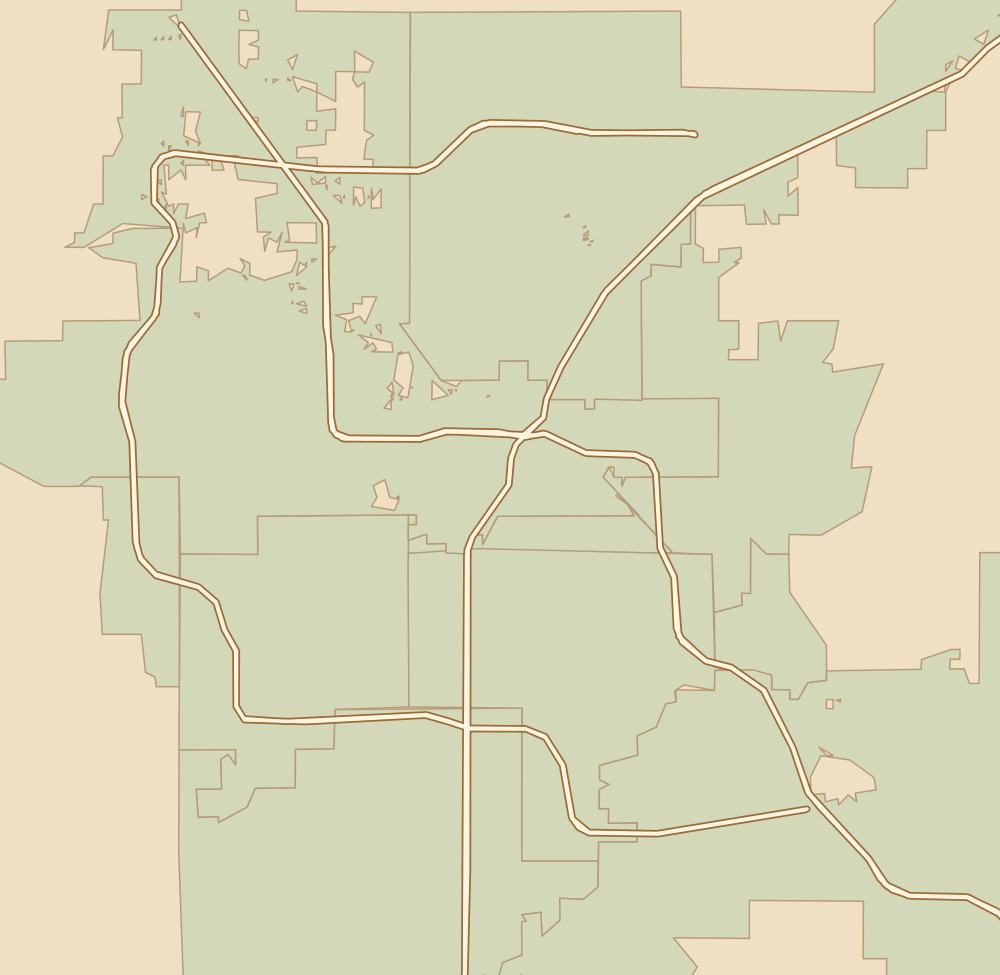
The City of Las Vegas cautions that a Las Vegas mailing address does not by itself establish that a property is within city limits. Clark County also administers unincorporated areas of the Valley, while incorporated cities have their own municipal governments. For someone looking up animal guidance, a park operator or a public maintenance responsibility, that distinction is more useful than treating the postal label as the whole answer.
Start with the actual address and use the relevant city or county resource. The same regional name can appear in a mailing address and in a discussion of a wider service area without identifying which government administers the grounds. A property manager should keep the address, the public jurisdiction and the private account contact as separate, clearly identified pieces of information.
Clark County performs city-type functions in unincorporated areas
The county's overview explains that it provides traditional municipal services in its unincorporated areas, including public works, parks and recreation, planning and development, and building inspections. Incorporated municipalities such as Las Vegas, Henderson and North Las Vegas have their own local governments. A reference to Clark County can therefore describe both the broader region and an agency providing municipal-type services in a particular part of it.
For a grounds question, identify the actual operator rather than assuming that a city name on a sign and a county address mean the same responsibility. A county park, a city facility and an association's common area can all be used by Valley dog owners, while having different rules and authorized contacts. Use the resource for the particular property before arranging work or applying one jurisdiction's guidance to another.
City and county waste provisions are separate resources
The City of Las Vegas publishes its animal-waste provision at LVMC 7.36.040. Unincorporated Clark County has its own provision at County Code 10.36.020. Both address waste in specified public or other-property settings and refer to multiple-dwelling common areas, but they are separate rules issued by different authorities. A regional service page should not turn them into one universal Las Vegas ordinance.
For a household or management team, use the rule appropriate to the address and collect waste promptly when out with a dog. For a private maintenance account, identify the grounds the organization controls and the person who can authorize access. Keep the public guidance with the correct property information rather than relying on a reused maintenance note carrying an ambiguous city or county label.
Public parks and managed private grounds have different operators
Clark County's parks resources and the city park directories describe public recreation facilities. An HOA green space, apartment dog run or commercial walking area may instead be controlled by an association or property manager. The fact that dog owners use both kinds of space does not make the ownership, access arrangements or responsibility for arranging maintenance identical.
When describing an account, use the area names recognized by its operator and list the waste stations separately from the surrounding pickup grounds. For a public property, direct the enquiry through the agency responsible for that site. For private shared grounds, establish the authorized management contact. This regional distinction helps keep a service plan connected to the organization that can actually approve the work.
Pet waste records fit within a broader stormwater program
EPA's MS4 guidance says regulated municipal storm-sewer owners and operators must develop, implement and enforce a stormwater-management program. The program includes areas such as public education, pollution prevention and good housekeeping, illicit-discharge control and program effectiveness. Pet waste management appears in EPA's stormwater BMP resources, but one maintenance activity is not the whole municipal program.
For Las Vegas Valley property and municipal accounts, a cleanup record can document the pet-waste maintenance performed within that wider process. Service dates, station status, observations and photographs should remain tied to the identified property or service areas. The responsible organization uses those records alongside its other program information rather than treating a contractor's visit as a certification of every permit obligation.
Keep a useful chain from the property brief to monthly reporting
EPA's program-effectiveness guidance calls for measurable goals and reporting that addresses program progress, information collected, planned activities and changes. A grounds-maintenance account benefits from the same clarity at its own scale: the areas and stations described at setup should be recognizable in the later visit records. That makes it possible for the receiving team to understand the maintenance history without relying on an undocumented recollection.
The Waste Wranglers' commercial offer includes GPS-timestamped records, same-day before-and-after photos, storm-drain observations and signed monthly logs delivered by the 5th. Those are supporting service documents for the account's reporting file. Identify the receiving manager or coordinator and the property labels to use when arranging the work, so the documentation remains understandable if account responsibility changes.
Choose the home-yard or property-account discussion
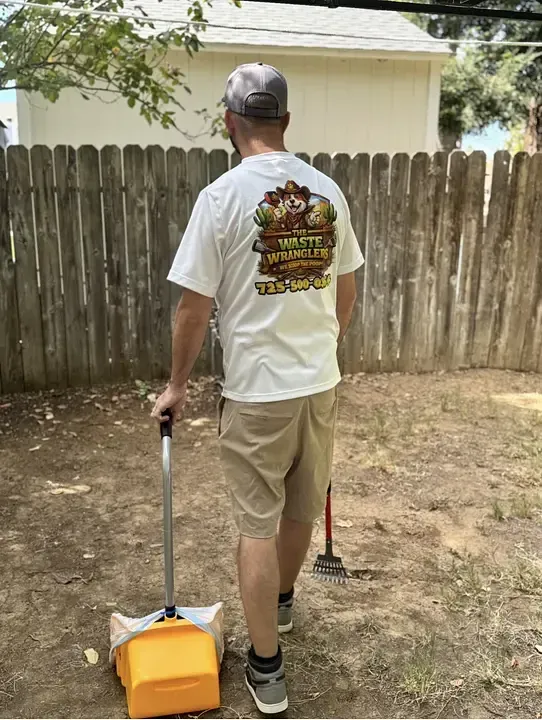
For a home in the Las Vegas and Clark County area, The Waste Wranglers can discuss weekly, every-other-week or one-time pickup, with optional deodorizing and sanitizing. Give the address, the access arrangements and the areas your dogs use. The service guide holds the regular visit terms, and your price and schedule are confirmed directly.
For shared or municipal grounds, use the commercial service information to discuss the assessment, scope, documentation and procurement needs with an authorized account contact. The area links connect the Henderson, Summerlin, North Las Vegas, Spring Valley and Centennial Hills guides, each with its own local context. Use the relevant guide and public resource rather than assuming one administrative arrangement applies across the entire Valley.